



Fiscal Canada Logo Fiscal Canada Contact Us
Contact Us

Fiscal Policy and Government Spending in Canada

Understanding federal budgets, national debt, taxation, and infrastructure investments that shape Canada’s economic stability

Canada’s fiscal landscape is complex. We’re looking at federal budget priorities that affect everything from infrastructure to social programs, public debt management strategies that balance growth with responsibility, and taxation frameworks that fund essential services. This guide explores how government spending decisions ripple through the economy.

Essential Reading

In-depth articles on Canada’s budget priorities, debt management, and economic impact

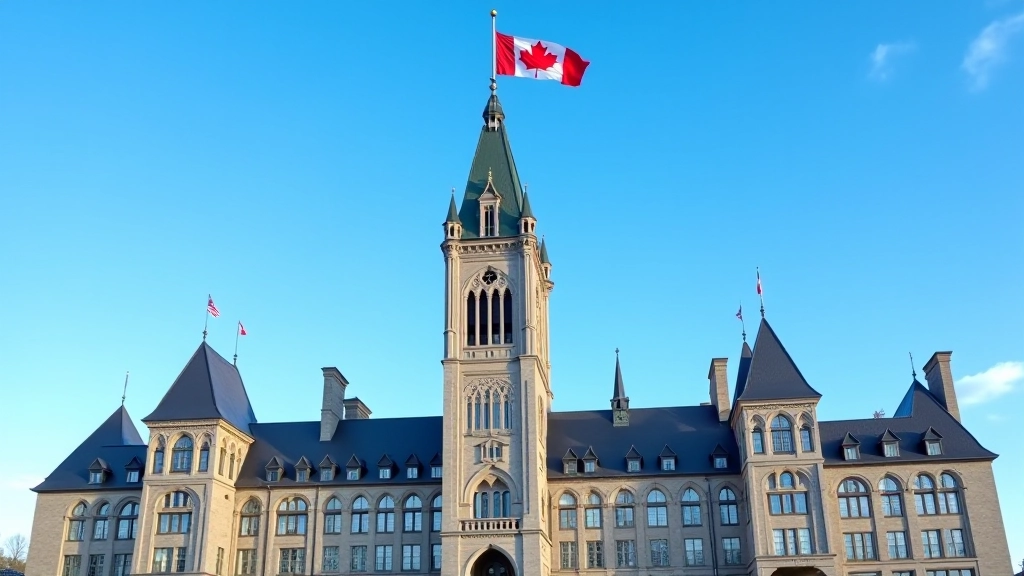
Government parliament building with Canadian flag and blue sky background

How Canada’s Federal Budget Gets Built

Walk through the actual process of creating a federal budget — from departmental requests to parliamentary approval, and why timing matters so much.

12 min Beginner March 2026
Read More
Financial charts and graphs showing debt trends on paper with calculator and pen

Understanding Canada’s National Debt

What does Canada’s national debt actually mean? How it’s managed, why it matters, and what happens when it grows faster than GDP.

10 min Beginner March 2026
Read More
Tax documents and forms on desk with calculator showing numbers

How Canada’s Tax System Works

Income tax, corporate tax, GST, and provincial levies explained. Where the money goes and why different tax brackets exist.

14 min Intermediate March 2026
Read More
Bridge construction site with heavy equipment and workers under blue sky

Infrastructure Investment and Economic Growth

How government infrastructure spending creates jobs, improves productivity, and affects long-term economic stability across regions.

11 min Intermediate March 2026
Read More

Key Fiscal Policy Concepts

Budget Deficits and Surpluses

When government spending exceeds revenue, there’s a deficit. The opposite is a surplus. Canada’s fiscal position shifts with economic cycles and policy choices. Understanding this balance is crucial for long-term stability.

Debt-to-GDP Ratio

This ratio measures how much debt Canada carries relative to its total economic output. A higher ratio means more of government revenue goes to debt servicing. It’s the key metric for assessing fiscal sustainability.

Fiscal Stimulus and Restraint

Governments use spending and tax cuts to boost the economy during downturns (stimulus) or reduce spending during boom times (restraint). Both approaches have real consequences for different sectors.

Transfer Payments

Federal funds flow to provinces and territories for healthcare, education, and social programs. These transfers shape regional development and program availability across Canada.

Current Budget Priorities in Canada

Recent federal budgets have focused on several areas. Healthcare received increased funding after pandemic pressures. Climate transition and green infrastructure got significant investment. Housing affordability became a major budget item. And childcare funding expanded substantially to support families.

Healthcare System Investment

Billions allocated annually to provincial healthcare systems. Emergency room staffing, mental health services, and post-pandemic recovery drive spending priorities.

Green Energy Transition

Federal funding for renewable energy projects, electric vehicle incentives, and emissions reduction targets. These investments aim to meet climate commitments while creating jobs.

Housing and Affordability

Mortgage subsidies, affordable housing construction, and rental assistance programs. Housing costs impact household budgets across the country, making this a priority.

Social Programs and Support

Childcare funding, income support, and benefits expansion. These programs provide a safety net and affect spending capacity throughout the economy.