

Understanding Canada’s National Debt
What does Canada’s national debt actually mean? How it’s managed, why it matters to the budget process, and what influences borrowing decisions.
Read MoreWalk through the actual process of creating a federal budget — from departmental requests to parliamentary approval, and why timing matters so much.
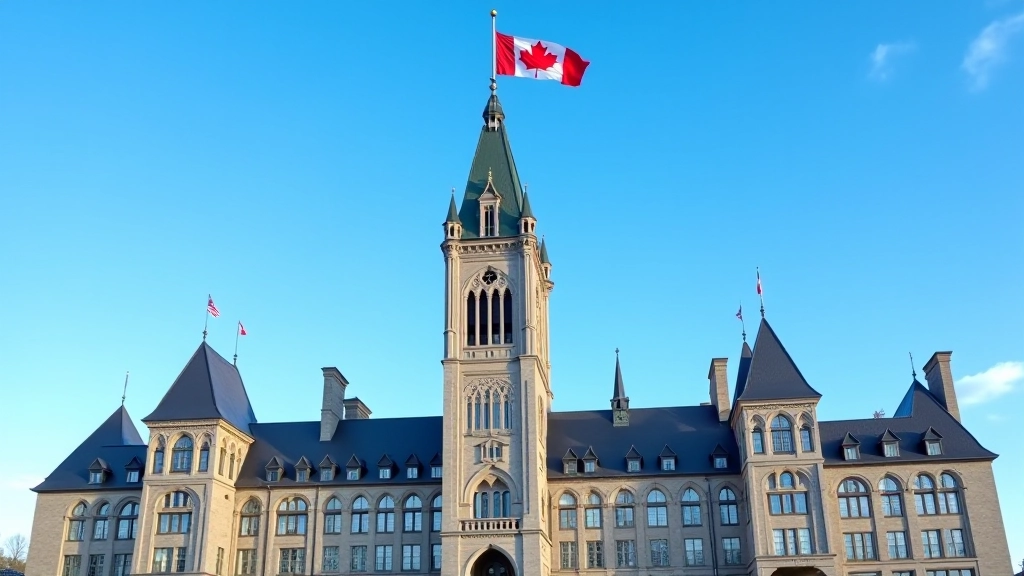
Every year, Canada’s government puts together a massive financial plan. It’s not just one person making decisions in a room — it’s a complex process that involves dozens of departments, multiple levels of review, and finally Parliament itself. The federal budget is essentially the government’s spending plan for the next fiscal year, but getting there takes months of negotiation, analysis, and political maneuvering.
Think of it like planning a household budget, except instead of managing $100,000 you’re managing over $400 billion. Every dollar gets questioned. Every priority gets debated. And the whole thing has to pass through Parliament before it becomes official policy.
The process starts way earlier than most people realize — often 9 to 12 months before the actual budget speech happens in Parliament. There’s a rhythm to it, and understanding that rhythm helps explain why budgets get released when they do and why certain spending announcements come at certain times.

Canada’s budget process runs on a predictable schedule. Here’s what happens, and when.
Around April or May, Finance Canada sends out what’s called a “call for proposals.” Every government department gets a letter basically saying: “Tell us what you need for next year.” The Department of Transportation might request funding for highway repairs. Health Canada requests money for new research initiatives. Veterans Affairs submits spending proposals. These aren’t official requests yet — they’re more like wish lists.
Finance Canada spends July, August, and September analyzing all these proposals. They’re not just looking at dollar amounts — they’re examining whether the spending aligns with government priorities, whether it’s actually feasible, and what the economic impact will be. This is where most proposals get cut down or reshaped. A department might ask for $500 million, but Finance might approve only $250 million because other priorities are pressing.
By September and October, the Finance Minister meets with the Prime Minister and key cabinet ministers. These meetings are where politics actually enters the process. A minister might argue: “Education funding is crucial for my province.” Another might push back: “But we promised to balance the budget.” These conversations determine which priorities win and which lose. It’s here that the framework for the actual budget gets set.
By late fall, the actual writing begins. The Finance Minister’s office works with budget analysts to draft the formal document. They’re crafting not just numbers but also the narrative — how to explain why certain spending matters, how to frame fiscal challenges. Economists check whether the projections are realistic. Lawyers review the language. Multiple drafts get circulated. Nothing’s public yet, but the document is taking final shape.
Finally, usually in late February or March, the Finance Minister delivers the budget speech in Parliament. This is the public announcement. Parliament then spends weeks debating it. Opposition parties criticize the spending choices. Government members defend them. Committees examine specific parts in detail. Eventually Parliament votes, and if it passes (which it usually does), it becomes official policy.
Canada’s federal budget isn’t just a single number. It’s a complex document that breaks down spending into categories. There’s “program spending” — money for specific government services like national defense, healthcare transfers to provinces, and employment benefits. There’s “public debt charges” — essentially the interest Canada pays on money it’s borrowed. And there’s revenue, which comes mostly from income tax, corporate tax, and consumption taxes like GST.
The biggest spending categories are usually healthcare (transferred to provinces), seniors’ benefits like Old Age Security, and employment insurance. These are called “entitlements” because people qualify for them automatically — the government doesn’t choose whether to fund them each year, they’re already committed.
What politicians actually debate are the discretionary spending items. That’s money for new programs, infrastructure projects, research initiatives. This is where real choices get made. Should the government invest more in green energy? Expand childcare? Increase military spending? These decisions shape the budget and ultimately shape the country.

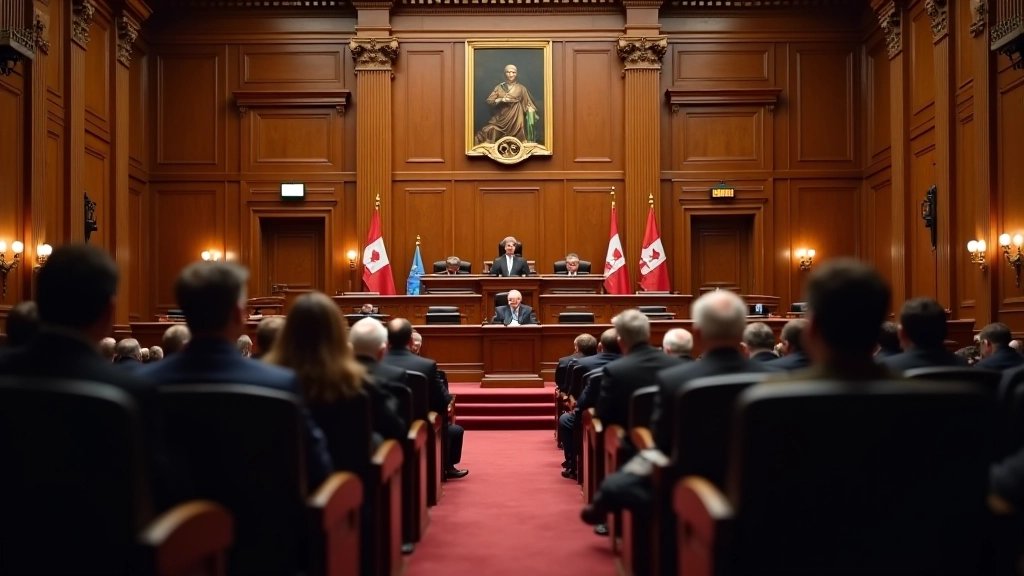
You might wonder: why does this take so long? Why can’t they just decide what to spend and announce it? The answer is that government budgets aren’t like business budgets. Governments are accountable to Parliament, and Parliament is accountable to voters. Every spending decision potentially affects millions of people.
There’s also the matter of economic forecasting. Finance Canada has to predict what the economy will look like next year. Will employment stay steady or rise? Will inflation slow down? Will interest rates change? These predictions affect revenue projections. If the economy is weaker than expected, there’s less tax revenue, which means less to spend or a bigger deficit. Getting these forecasts right matters enormously.
And then there’s political reality. If you’re in a minority government situation (where no single party has more than half the seats), you need opposition support to pass the budget. That means negotiation and compromise. Spending priorities shift based on which opposition parties you need to win over. This is why budgets sometimes include spending that wasn’t in the Finance Minister’s original plan.
The federal budget process might seem like inside-baseball stuff that doesn’t affect your life. But it absolutely does. Decisions made during this process determine whether there’s funding for student loans, infrastructure projects in your city, healthcare services, or defense capabilities. The timing of announcements, the priorities chosen, the political negotiations — they all shape policy outcomes.
When you see budget headlines, you’re now seeing the tip of an iceberg that’s been building for months. That announcement about new healthcare funding? That came from departmental proposals submitted almost a year earlier. That infrastructure project? It’s been through multiple rounds of analysis and political debate. Understanding the process helps you understand not just what’s being spent, but why it took this long to decide and what trade-offs were made along the way.
The budget isn’t just numbers and spreadsheets. It’s a reflection of what a government believes is important. It’s the result of countless decisions, debates, and negotiations. And it’s worth understanding how it all comes together.
This article provides educational information about Canada’s federal budget process. It’s designed to help you understand how government budgeting works, not to provide financial or policy advice. Budget processes, timelines, and priorities can change. For specific information about current budget proposals or their impact on your situation, consult official government sources like the Department of Finance Canada or relevant parliamentary resources.